

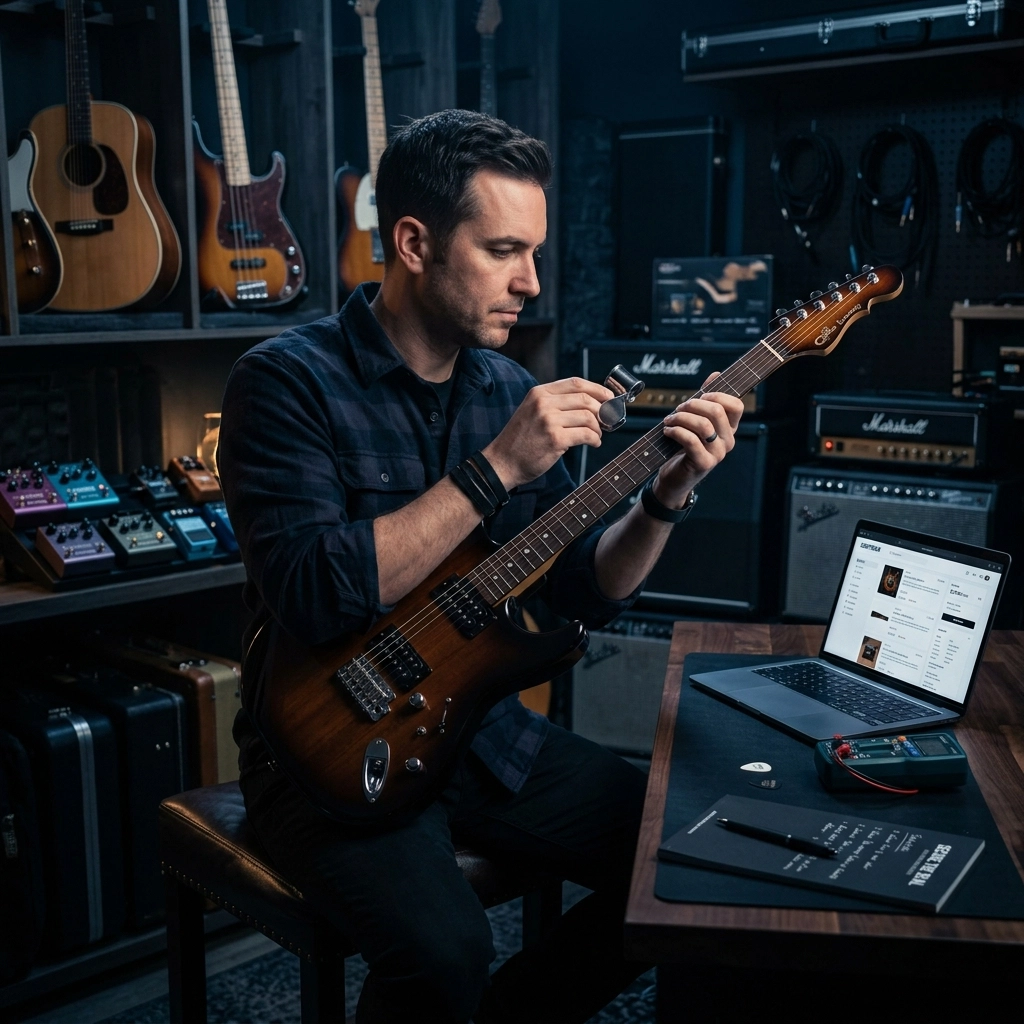
The procurement of professional audio equipment has shifted significantly toward digital marketplaces. While online platforms offer a vast inventory of new and used gear, they also present substantial risks to the purchaser. Fraudulent listings, misrepresented conditions, and insecure payment methods are prevalent challenges. For professionals and enthusiasts, identifying legitimate opportunities requires a systematic approach that extends beyond a simple search for the lowest price.
JAMMIN' Sound Solutions prioritizes the delivery of high-quality, verified pro audio equipment. This guide outlines the protocols necessary to navigate instrument websites securely and effectively.
The Financial Reality: Market Valuation vs. Discrepancies
The primary indicator of a potential scam is an unrealistic price point. Professional audio equipment maintains a relatively stable market value based on brand reputation, condition, and demand.
1. Researching Market Averages
Before engaging with any online listing, it is necessary to establish a baseline for the item’s current value. Searching for "sold" listings on established platforms provides a more accurate reflection of market value than current asking prices. Asking prices are often inflated or aspirational.
If an instrument's asking price is significantly lower than the average sold price, the risk of fraud increases. This discrepancy often indicates a compromised item, a non-existent product, or a desperate attempt to bypass standard verification processes. For more information on equipment valuation, refer to our analysis on whether expensive audio gear is worth the investment.
2. Identifying "Too Good to Be True" Scenarios
Scammers rely on the buyer's desire for a bargain. High-demand items, such as flagship subwoofers or vintage microphones, rarely sell for fractions of their value. Professional procurement requires a logical assessment of these offers. If the financial terms seem illogical, the transaction should be avoided.

Identifying Fraudulent Listings Through Visual Analysis
The quality and authenticity of a listing’s visuals are critical factors in verifying the seller's legitimacy. A professional seller provides comprehensive documentation of the item.
High-Resolution Condition Reports
Legitimate sellers provide multiple high-resolution photographs showing the equipment from various angles. This includes close-ups of serial numbers, input/output jacks, and any cosmetic or functional wear.
Red flags include:
- The use of manufacturer stock photos instead of original images.
- Low-resolution or blurry images that obscure details.
- Images that have been watermarked by a different seller or platform.
- Inconsistency between the written description and the visual evidence.
Verifying Physical Possession
If a listing is suspicious, requesting a specific photo, such as a picture of the equipment next to a handwritten note with the current date, is a standard method for verifying physical possession. A seller who refuses or is unable to provide this verification is likely not in possession of the item.

Seller Due Diligence and Digital Verification
Verifying the identity and reputation of the seller is a mandatory step in the procurement process. Anonymous transactions carry the highest risk of financial loss.
1. Evaluating Seller Ratings and History
Most established instrument websites utilize a rating system. Reviewing a seller’s history provides insight into their reliability. It is important to examine the consistency of their feedback. A seller with a sudden influx of positive reviews after a long period of inactivity may have had their account compromised.
2. Contact Information and Business Licenses
When purchasing from a business rather than an individual, verify that they have a physical address and a valid phone number. Legitimate dealers, such as those featured on the JAMMIN' Sound Solutions website, operate with transparency. A business that only communicates through encrypted messaging apps or lacks a verifiable physical presence should be treated with caution.
3. Monitoring Communication Patterns
Scammers often exert pressure on buyers to complete transactions quickly. Tactics include claiming there are other "ready buyers" or offering an additional discount if the payment is made immediately through an unprotected channel. Professional transactions follow a standard timeline and allow for the buyer’s due diligence.
Payment Protocol and Financial Security
The method of payment determines the level of protection available to the buyer. Choosing insecure payment methods is a common mistake that leads to irreversible financial loss.
1. Utilizing Protected Platforms
Platforms like Reverb and PayPal (specifically "Goods and Services") offer built-in buyer protection. These services can facilitate refunds if an item is not as described or fails to arrive. At JAMMIN' Sound Solutions, we recommend using these verified channels for all online transactions.
2. Prohibited Payment Methods
Never use wire transfers, bank transfers to unknown individuals, or gift cards to purchase audio equipment. These methods offer no recourse once the funds are sent. Similarly, avoid "Friends and Family" options on payment apps for business transactions, as these waive your right to dispute the charge.
3. Network and Data Security
Ensure that all financial transactions are conducted over secure, private networks. Public Wi-Fi is vulnerable to data interception. Always verify the presence of HTTPS encryption, indicated by a lock icon in the browser address bar, on any payment page. This is a fundamental requirement for modern instruments websites.

The Logistics of Physical Inspection and In-Person Pickup
Whenever possible, local pickup is the safest method for acquiring used gear. It eliminates shipping risks and allows for a hands-on evaluation of the equipment’s functionality.
1. Functional Testing
When meeting a seller, it is necessary to test the equipment under power. For audio gear, this involves:
- Checking for noise or "crackling" in faders and knobs.
- Verifying that all inputs and outputs are functional.
- Testing the clarity and frequency response of speakers and subwoofers.
- Ensuring that digital displays and software interfaces are responsive.
For more detailed information on common errors during the purchasing phase, see our guide on 7 mistakes you’re making when buying music equipment.
2. Safety in In-Person Transactions
Meetings should occur in well-lit, public locations. Many local police departments offer "Safe Exchange Zones" specifically for online marketplace transactions. If an item is too large for a public meeting (such as a full PA system), ensure that you are accompanied by a second person during the inspection at the seller’s location.

Leveraging Authorized Channels for Guaranteed Quality
While third-party marketplaces offer deals, the most reliable way to avoid scams and ensure equipment longevity is to purchase through authorized dealers. Authorized retailers provide manufacturer warranties, professional support, and verified hardware.
JAMMIN' Sound Solutions offers a range of professional audio products with full transparency and technical expertise. Whether you are building a studio or a live sound rig, our pro audio solutions are designed to meet professional standards without the risks associated with unverified online sellers.
For those in the initial stages of setting up their environment, we provide comprehensive resources such as the complete guide for building a professional sound system.
Conclusion: A Systematic Approach to Acquisition
Securing professional audio equipment online is a process of risk management. By adhering to strict protocols regarding market valuation, visual verification, and payment security, buyers can significantly reduce their exposure to fraud. Always prioritize transparency and protection over the allure of an unusually low price.
For further assistance in sourcing high-performance equipment or to learn more about our professional audio services, please visit our about us page or contact us directly. Maintaining a professional standard in your equipment acquisition is the first step toward achieving superior sound quality.